
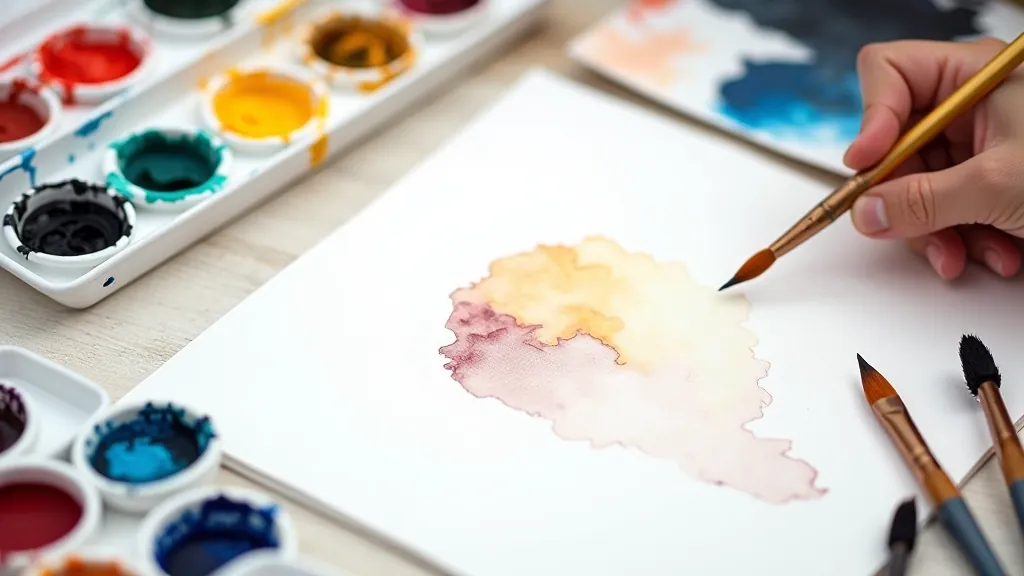
Watercolor Basics: Starting Your First Paintings
Learn fundamental watercolor techniques, from brush control to color mixing. We cover everything beginners need to create their first paintings.
Guide to Riga's best art shops and what to buy when starting out. We've tested the supplies and know which ones give you real value.
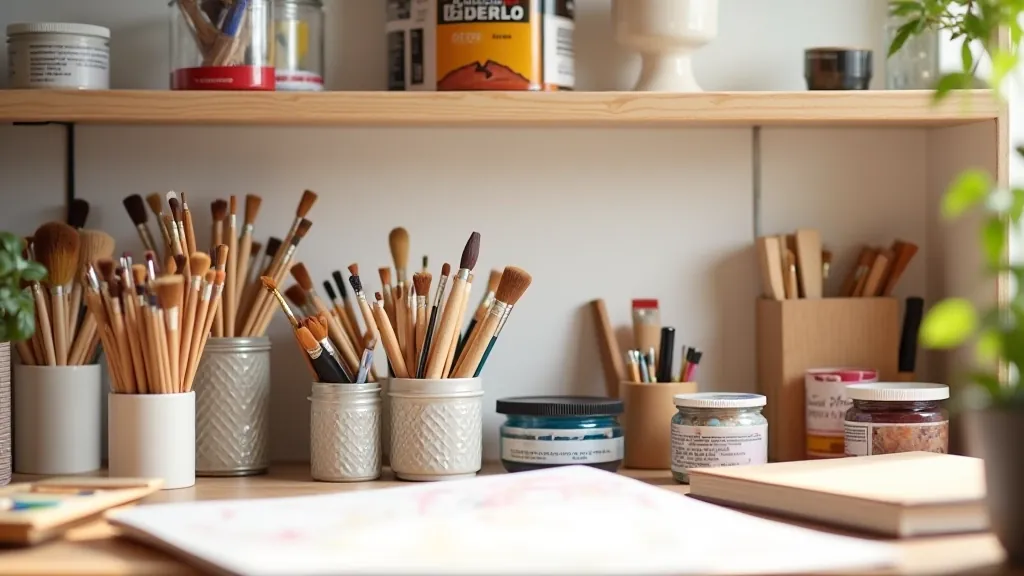

You'll get better results when you can actually touch the paper before buying it. That's the real advantage of shopping locally in Riga. We're not talking about paying premium prices — we're talking about understanding what you're getting.
Local shops let you test brushes, see paper texture under proper lighting, and get advice from people who actually use these materials. They know which paints don't crack, which sketchbooks hold up to erasing, and which pencils are worth the money. You'll save more by avoiding beginner mistakes than you'll ever spend on quality supplies.
Plus, you're supporting people who care about art. That matters.
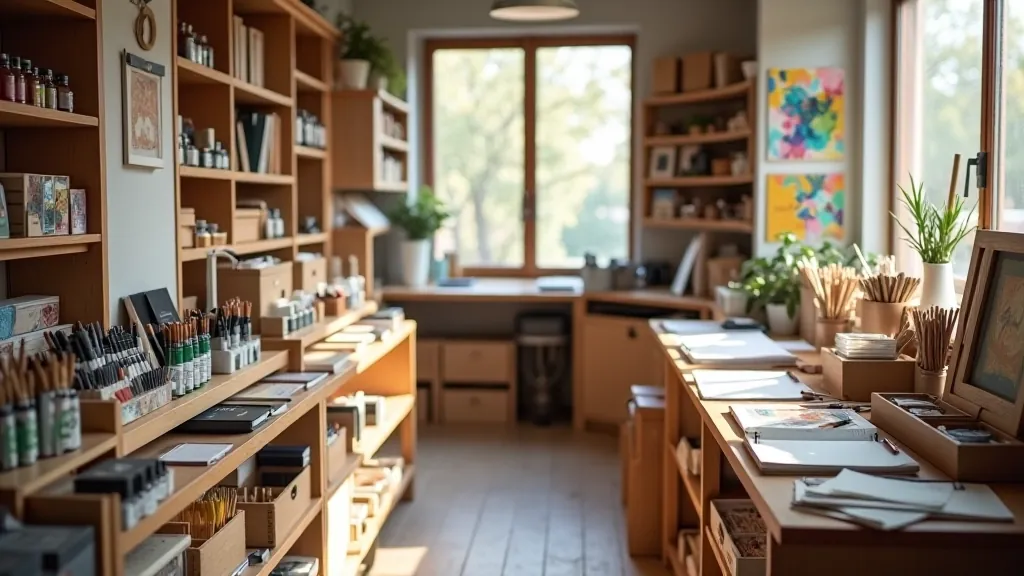
Riga's got solid options if you know where to look. The Old Town has a few galleries that sell supplies, but they're pricier. You're better off heading to the shopping areas where the real art stores are.
The biggest shops stock everything — oils, acrylics, watercolors, charcoal, pastels, papers. They've got student grades and professional grades. You can see the difference immediately. Student-grade watercolors are fine when you're starting. Don't feel like you need the expensive stuff right away.
Smaller specialist shops are worth finding too. They usually carry one thing really well — either papers, or drawing supplies, or painting materials. That's where you'll find people who actually know their stuff.
Don't buy everything at once. Start with basics and add as you discover what you like.
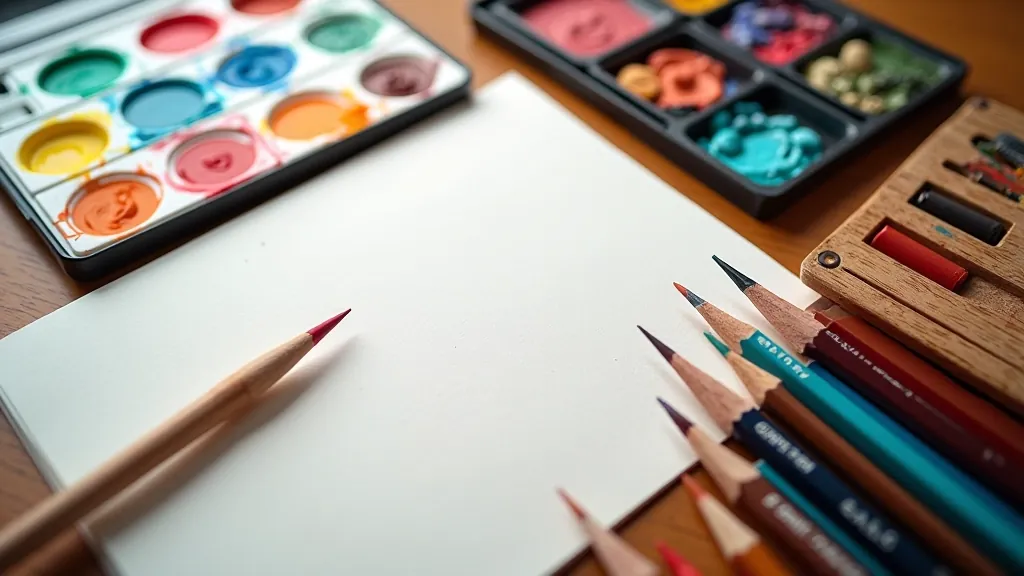
A basic pencil set (2H to 8B range), good eraser, sharpener. Paper matters more than you think — 120gsm minimum or it'll fall apart when you erase. Mid-range sketchbooks from local shops are perfect. You'll spend maybe 15-20 euros for quality basics.
Student-grade watercolor set with 12-24 colors, two brushes (sizes 6 and 12), mixing palette, water container. Watercolor paper is crucial — get cold-pressed, 140gsm minimum. A pad of 20 sheets runs about 8-12 euros. Budget around 30-40 euros total.
24-color set is the sweet spot for beginners. Don't get the massive 120-color sets yet. Blending stumps, pencil sharpener (quality matters!), smooth drawing paper. You can find decent colored pencils for 12-18 euros per set at local shops.
Good eraser (Faber-Castell or Staedtler), proper pencil sharpener (not those tiny ones), storage box or case. You'll use these constantly. Don't cheap out on erasers — they make the difference between frustration and actual progress.
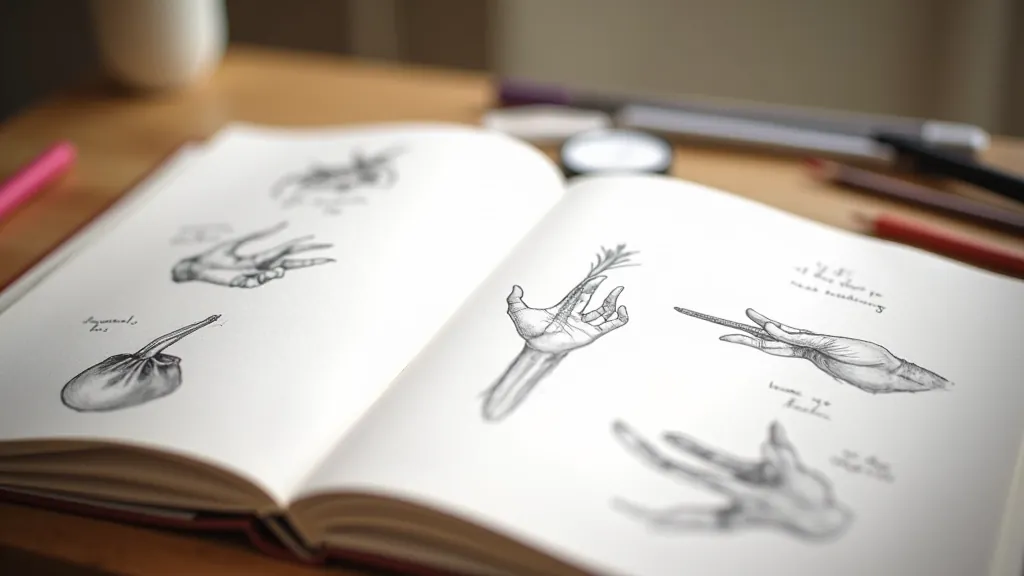
Before you head to a shop, know what you're buying. Don't let sales staff push you toward expensive sets. You don't need 120 colors of anything when you're starting.
Ask staff questions. Real art supply shops have people who use the materials. They'll tell you which brushes hold their shape, which erasers don't damage paper, which papers are actually worth the money. That advice is worth more than a discount.
Check expiration dates on liquids like mediums and fixatives. Don't assume the big fancy set is better — sometimes buying individual quality items costs less and gives you better results. And honestly, start with student grades. You'll learn just as much and won't feel bad experimenting.

You don't need to spend much to get started. A realistic beginner budget for decent supplies is 40-60 euros. That gets you pencils, paper, basic colors, and brushes. Riga's prices are reasonable compared to Western Europe.
Here's where it matters: spend more on paper and erasers. These affect your results immediately. You can have cheap paints, but bad paper ruins everything. Same with erasers — they'll either help or destroy your work. Brushes should be decent quality too. You don't need sable hair, but synthetic brushes from known brands work well.
Avoid mega-sets. That 200-piece set for 25 euros? Most of those colors you'll never use. Start small, add what you actually need. You'll save money and your workspace won't look like a toy explosion.
Shopping for art supplies locally in Riga means you're supporting people who understand art. You'll get better advice, better products, and honestly, better results. Your first purchases matter less than your commitment to practicing. Get decent basics, start drawing, and upgrade as you learn what works for you.
The best supplies are the ones you'll actually use. So don't overthink it. Visit a local shop, talk to the staff, touch the paper, and start creating. That's what matters.
This guide is informational and based on general art education practices and local shopping experiences. Product availability, pricing, and shop locations change frequently. We recommend visiting shops in person to verify current stock and prices. Art material quality can vary by brand and batch. Your results depend on technique, practice, and personal preference — not supplies alone. Always check product labels for safety information and proper usage instructions.