
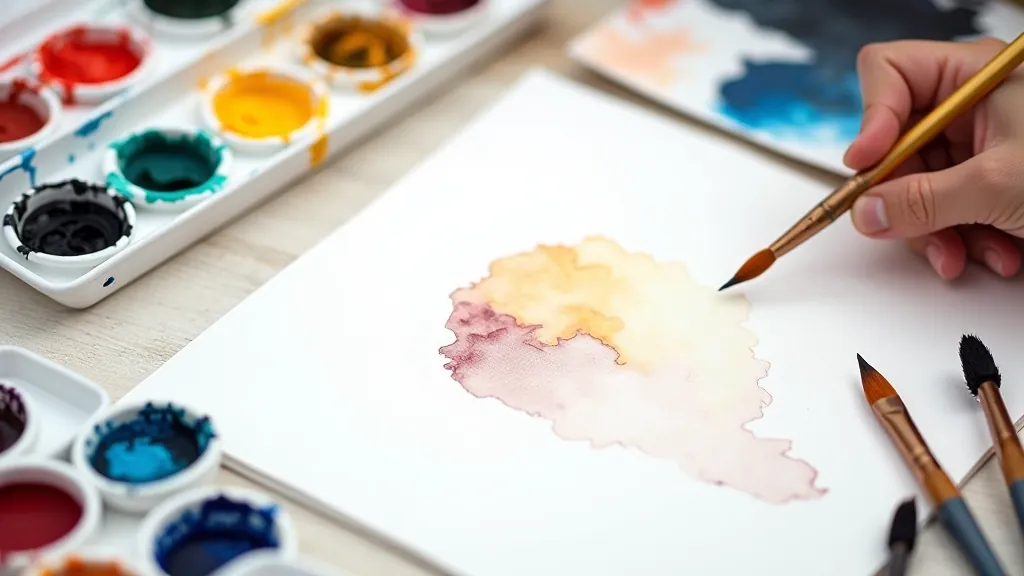
Watercolor Basics: Starting Your First Paintings
Learn fundamental watercolor techniques, from brush control to color mixing. We walk through everything step-by-step.
Read GuideNo experience needed. Learn how to keep a creative journal that's about exploration, not perfection. Mix text, sketches, and color.
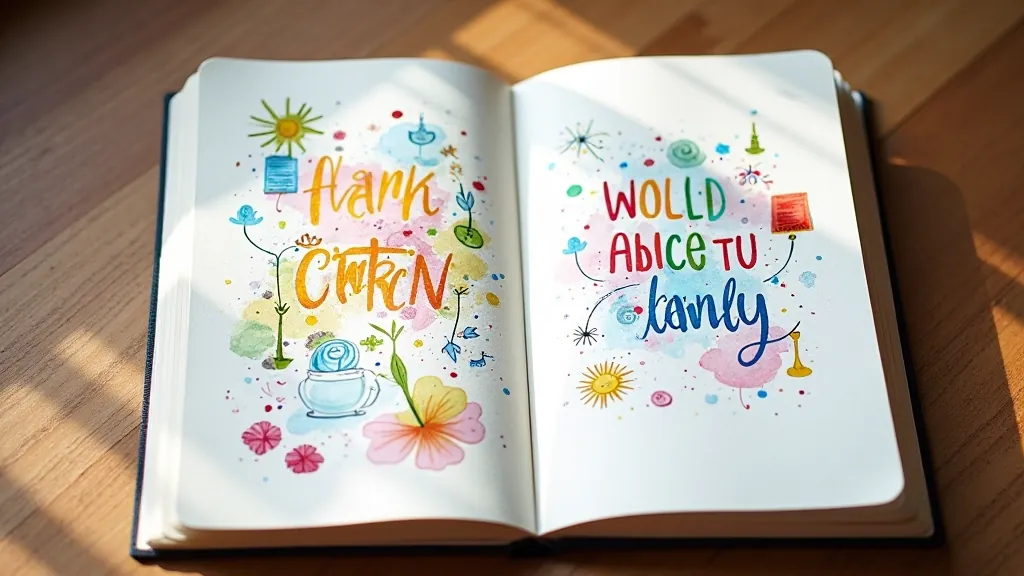

An art journal isn't like a diary where you're worried about grammar or neat handwriting. It's a space where you experiment. You'll combine sketches, watercolor, collage, writing — whatever feels right in that moment. Thing is, most people think they need to be "good at art" before they start. You don't. Not even close.
Over the past 16 years working with beginners, I've seen the same pattern: people hesitate, then they start, and suddenly they can't stop. Art journaling becomes their creative outlet. A place where mistakes don't exist — just explorations. You're not making something for Instagram. You're making something for you.
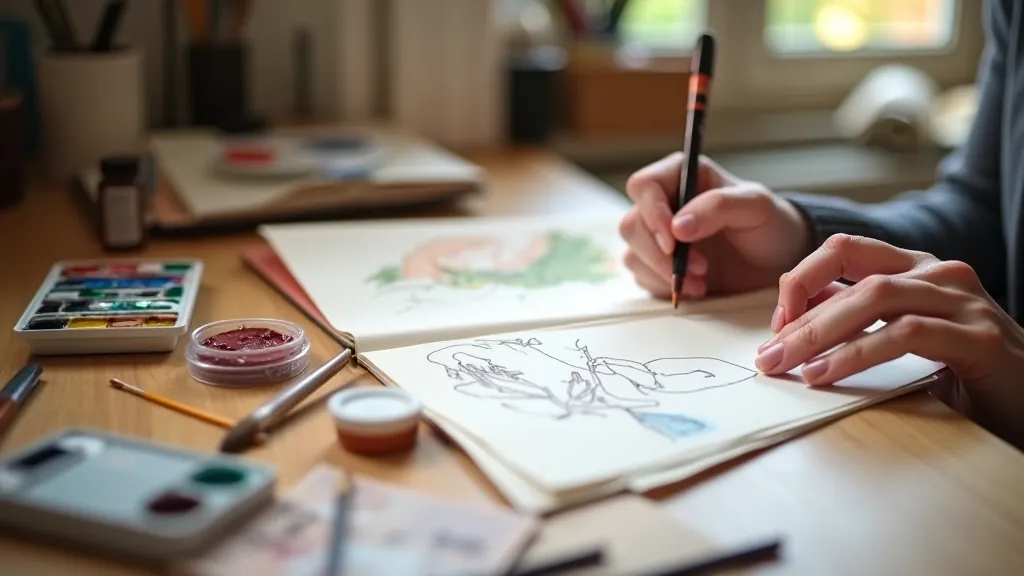
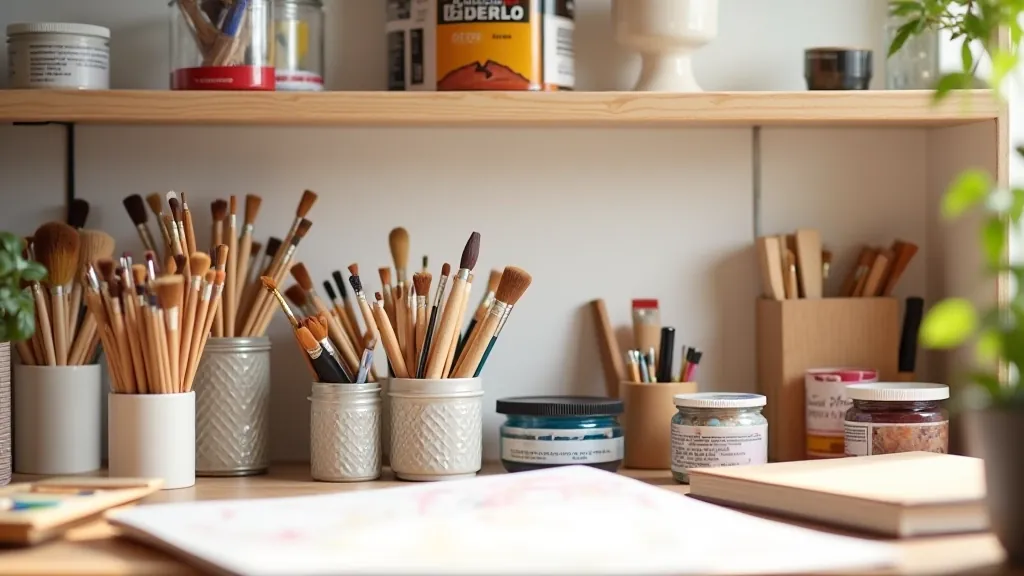
You don't need much. Seriously. I've watched people get stuck because they think they need expensive supplies. Let's be real — you need a journal and something to draw with.
Start with what you have. A notebook from a shop. Pencils from your desk. A ballpoint pen. These work. After a few weeks, if you want to add watercolors or colored pencils, you can. But don't buy a full art set before you've actually started. Most beginners never touch half of it.
Here's what I recommend: get a journal around A5 size (roughly 5x8 inches) with 100+ pages. Paper thickness matters more than you'd think — aim for at least 140gsm if you'll use water-based media. A basic pencil set (HB to 2B range) and black ink pen. That's your starting kit. You can get everything locally in Riga for under €15.
Open to page one. That's the hard part for most people. They want it to be perfect. Don't. Your first page won't be your best, and that's exactly right. It's meant to be rough.
Pick something simple. Draw what's in front of you — your coffee cup, your hand, the plant on your window. Spend 5-10 minutes on it. Then add something written. A date. A thought. A word you like. This mixing of image and text is what makes art journaling different. It's personal. It's yours.
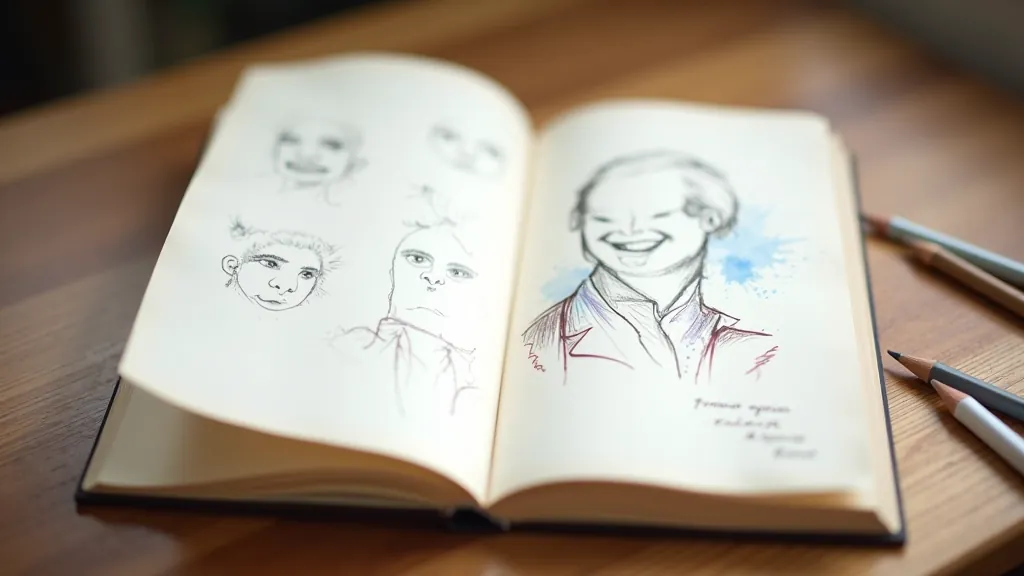
Don't aim for finished pieces. Think of each page as a sketch, an experiment. Some pages you'll work on for 20 minutes. Others you'll spend an hour. There's no rule. That freedom is the whole point. You're building a habit, not a portfolio.
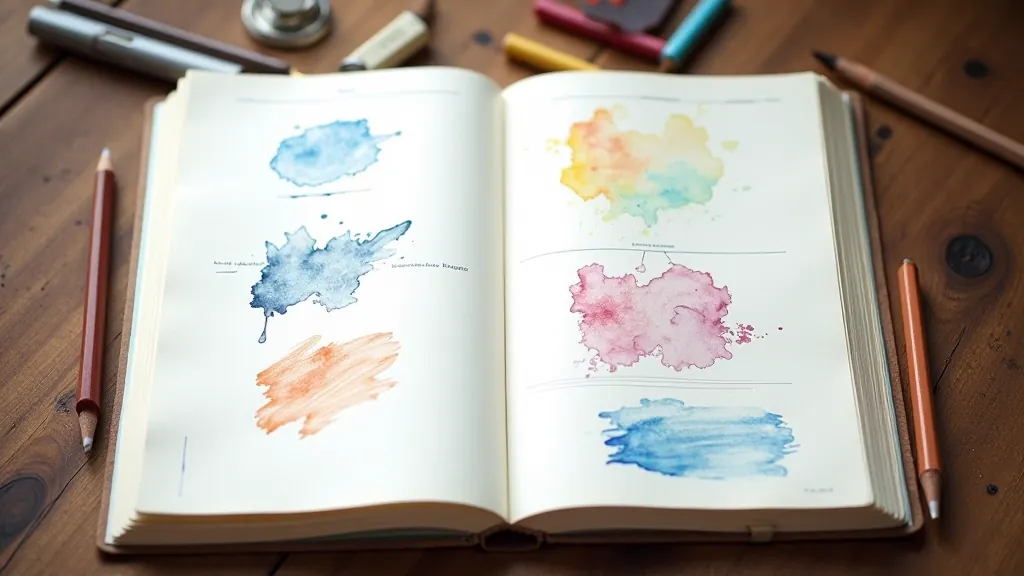
You don't need to know complex techniques. But here are a few that beginners love:
Use your pen to outline shapes. Add shading with parallel lines. It's meditative. 10 minutes and you'll feel the difference.
Mix water with your paint and let it flow across the page. No precision needed. The unpredictability is beautiful.
Cut images from magazines and glue them into your pages. Add your own drawings on top. Mix the found and the created.
Write words, quotes, or thoughts directly on your pages. Use different sizes and colors. Let your handwriting become part of the art.
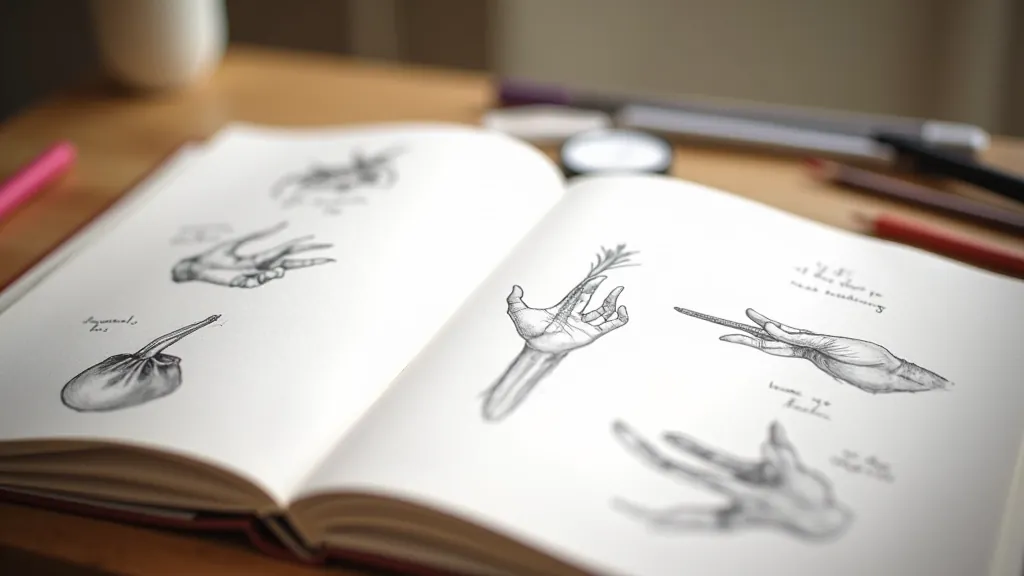
Art journaling works best when you make it regular. Not every day — that's too much pressure. But 2-3 times a week? That's perfect. Pick a time when you're relaxed. Morning coffee. Lunch break. Evening wind-down.
Don't judge your work. That's the biggest mistake I see. You'll look back in three months and be amazed at how much you've grown. But that only happens if you keep going, if you don't worry about whether page 23 is "good enough."
Your art journal is a conversation with yourself. It's messy. It's honest. It's yours. And that's exactly what makes it valuable.
This article is for educational purposes to help you understand art journaling fundamentals and techniques. The suggestions are based on teaching experience and common approaches in art education. Results vary by individual, and everyone's creative journey is unique. Your art journal should reflect your personal style and preferences — there's no "correct" way to do it.