
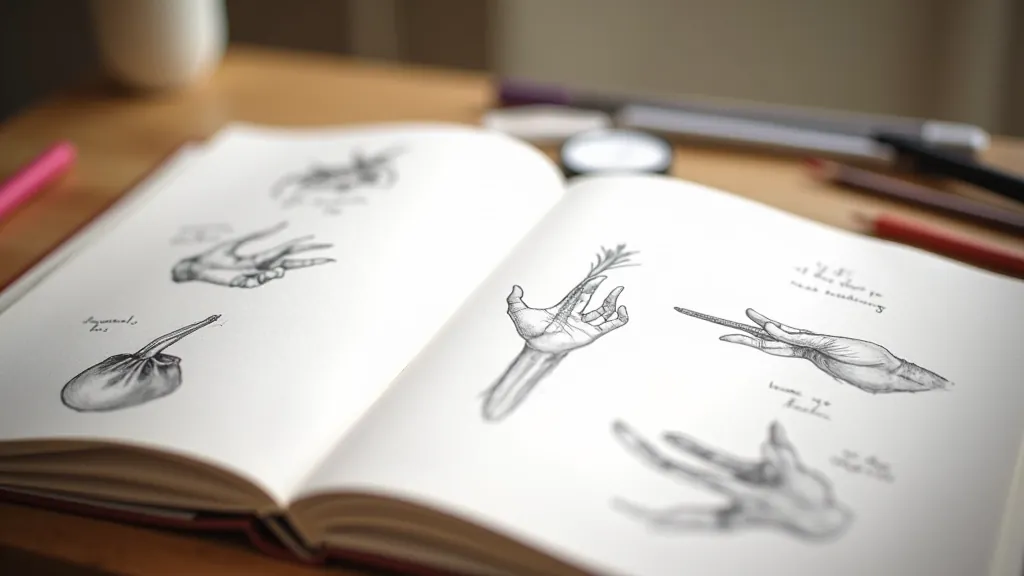
Sketching Fundamentals: Drawing What You See
Master observation and proportion. Simple exercises to improve your drawing eye and foundation skills.
Learn fundamental techniques to begin your watercolor journey. From brush control to color mixing — everything you need without overthinking it.
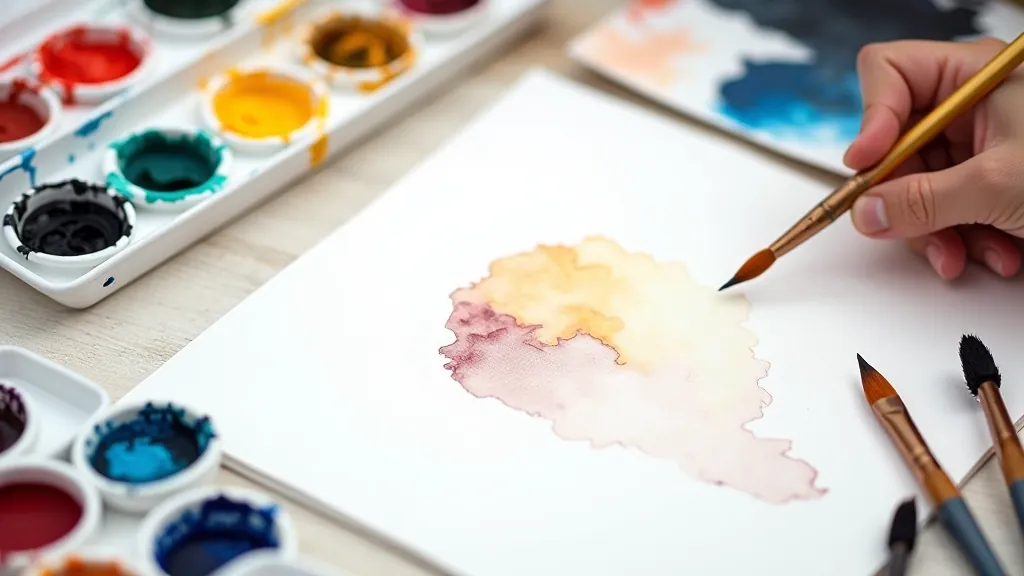

Watercolor seems intimidating. You'll see paintings that look effortless and think you need years of training. That's not true. The reality? You can create something beautiful in your first session. It's actually one of the most forgiving mediums if you know what you're doing. The paint is transparent, which means mistakes blend into the painting. You're not fighting against the medium — you're working with it.
We're going to cover what you actually need to get started, the core techniques that matter, and how to avoid the common traps that stop beginners. No overwhelming theory. Just practical steps you can follow today.
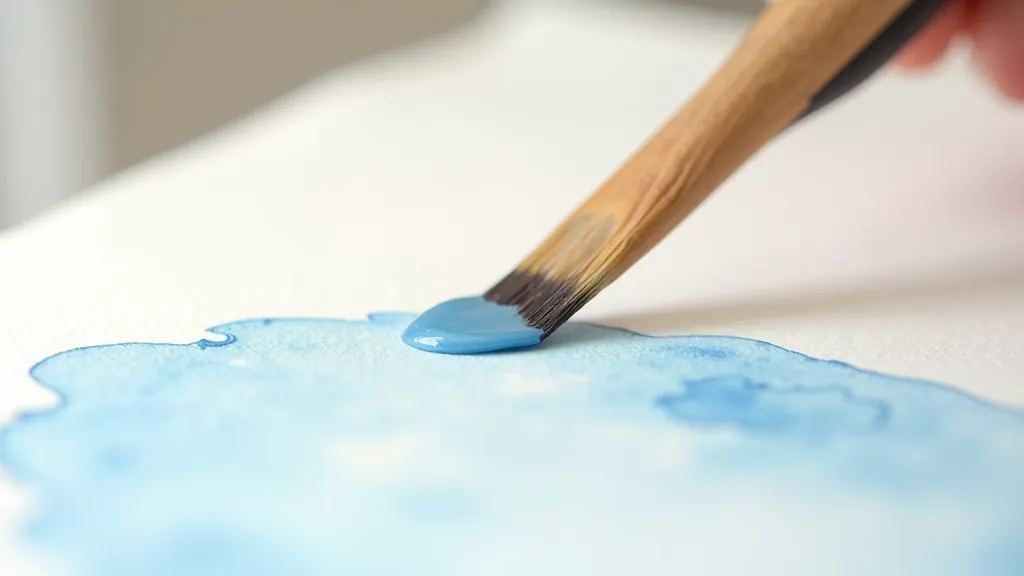
Water is your most important tool in watercolor. Not the pigment. Not the brushes. Water. It's what makes watercolor behave like watercolor. Too much water and your painting becomes a puddle. Too little and you're essentially drawing with dry paint. The sweet spot? You want your paper damp but not soaking. Your brush should be wet enough that paint flows, but you're still in control.
Start by testing on scrap paper. Load your brush, touch it to the paper, and see how the water spreads. Most beginners squeeze their brushes dry before painting. Don't do that. Keep some moisture in the brush. The water should flow gently from the bristles onto the paper, not drip like a faucet.
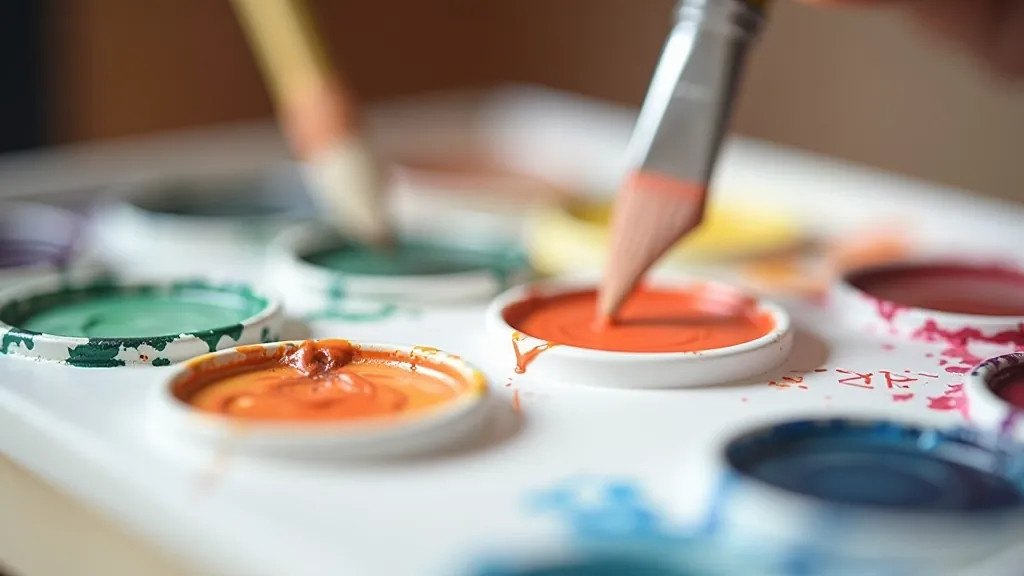
You don't need thirty colors. Honestly, you'll get better results with five good ones. Primary colors — red, yellow, blue — plus white and black give you everything. When you mix on the palette, you're learning color theory without the textbook. And that's where the magic happens.
The mistake beginners make? Mixing too many colors together. When you combine more than three pigments, you get mud. That's not a technique issue — it's chemistry. Keep it simple. Mix two colors, see what you get. If it's not quite right, add a tiny bit of a third color. Stop there.
Also remember that watercolor changes as it dries. That vibrant purple you mixed? It'll be darker when it dries. Test on scrap paper first. After a few paintings, you'll know your colors by heart and won't need to second-guess yourself.
Cheap paper absorbs water differently and won't give you the effects you're looking for. Look for watercolor paper that's at least 140 lb (300 gsm). It'll handle wet washes without buckling. You don't need expensive paper to start, but you do need proper watercolor paper.
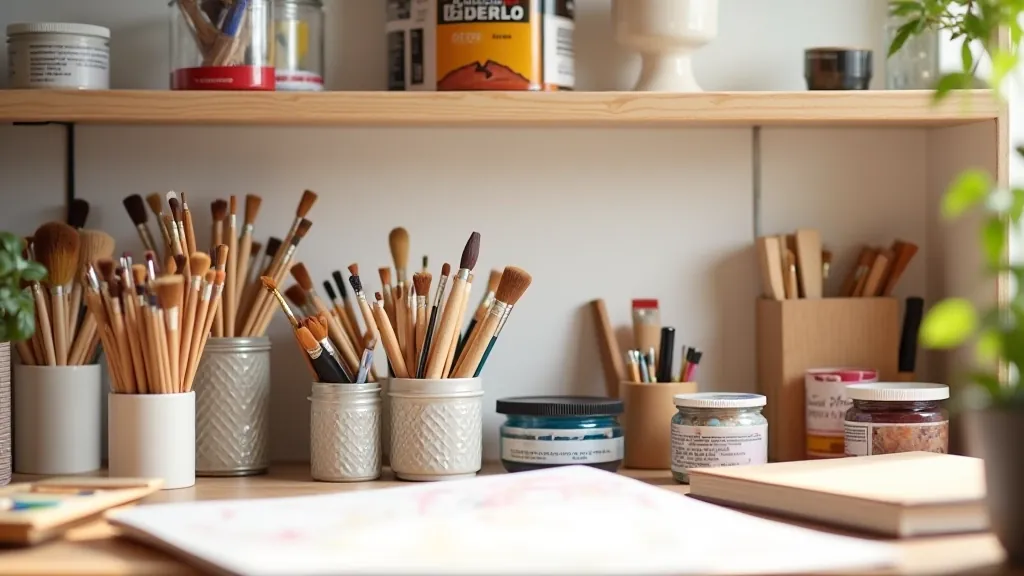
You'll want maybe four brushes to start. A large flat for washes, a medium round for details, a small round for fine work, and a mop brush if you're feeling fancy. That's it. Expensive sable brushes are nice, but synthetic brushes work great when you're learning. The difference matters less than you'd think.
The real thing is taking care of them. Rinse them properly after each session. Watercolor paint dries in the bristles if you don't. Once that happens, the brush is finished. Keep them in a jar standing bristles-up so they dry properly. And never, ever leave them soaking in water for hours.

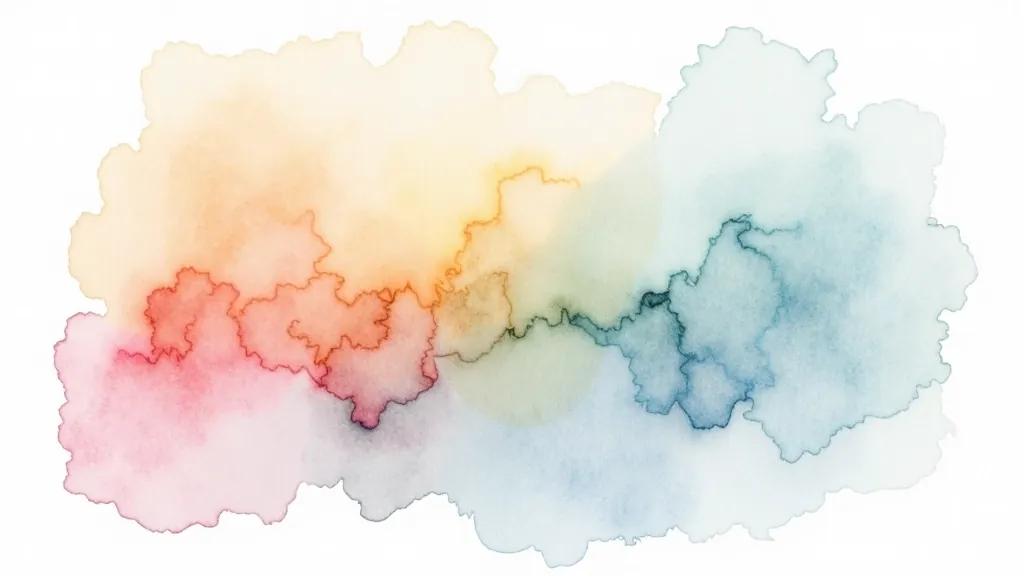
Paint on wet paper. Sounds simple. The paint spreads and blends on its own. You get soft edges and beautiful color transitions. It's unpredictable at first, but that's part of the appeal. Your painting decides some of the outcome.
Layer thin transparent washes over each other. Wait for each layer to dry completely before adding the next. This builds depth and complexity. Your first layer shows through, creating richness you can't get any other way.
Use minimal water with your brush. The paint sits on top of the paper creating texture and definition. Perfect for details, texture, and bringing focus to specific areas. It's the opposite of wet-on-wet but equally important.
Don't start with a portrait or a complex landscape. Pick something simple. A sunset. A flower. A simple object. Something with maybe three or four values of light and dark. This gives you room to practice without getting frustrated.
Spend time on your sketch first. Watercolor is unforgiving once you start painting. Get your drawing right, then paint. Start light. Really light. You can always add darker layers. It's almost impossible to go back and make something lighter once you've painted it dark.
And here's the thing — your first painting won't be perfect. That's actually great. You'll see exactly what you need to work on for the next one. Most people don't realize this, but every painting teaches you something about the medium. Keep all your paintings, even the ones you don't like. You'll see your progress.
This article provides educational information about watercolor painting techniques and fundamentals. Individual results vary based on practice, materials used, and personal learning style. The techniques described are suggestions based on common approaches in art education — they're not the only way to work with watercolor. We recommend experimenting with different methods to find what works best for you. Everyone learns at their own pace, and that's completely normal.